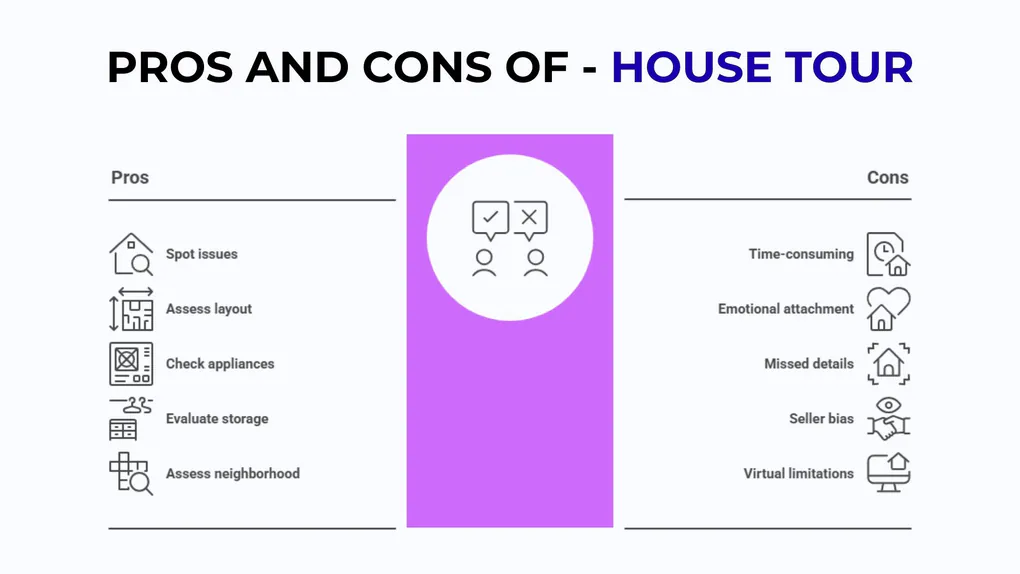
A house tour isn’t simply about strolling inside and picturing furniture placement. Instead, it lets you spot possible issues while measuring the home against similar listings - ensuring it matches both your routine and financial plan. Nowadays, purchasers (particularly those entering the market for the first time) require a straightforward method to assess properties either on-site or through a virtual house tour.
Based on data from the National Association of Realtors, nearly seven out of ten purchasers find visiting a property to be the key factor when choosing a house. As housing costs climb across various American regions while available units shrink, missing small but critical aspects could cost you. This guide shows what to check on a home visit - highlighting warning signs, practical aspects, while using everyday situations so you can decide with clarity.
A house tour means walking through a space - in person or online - to check its state, design, amenities, because that helps spot possible problems prior to making an offer. Some purchasers view several properties, so they can contrast areas, layouts, along with general worth. In recent years, online home shopping has grown fast - so virtual walkthroughs have gained traction. According to a 2023 Zillow analysis, around seven in ten younger shoppers (aged 24 to 39) feel confident buying property using only virtual house tours, as long as a professional check follows.
Can You Do a House Tour Without a Realtor?
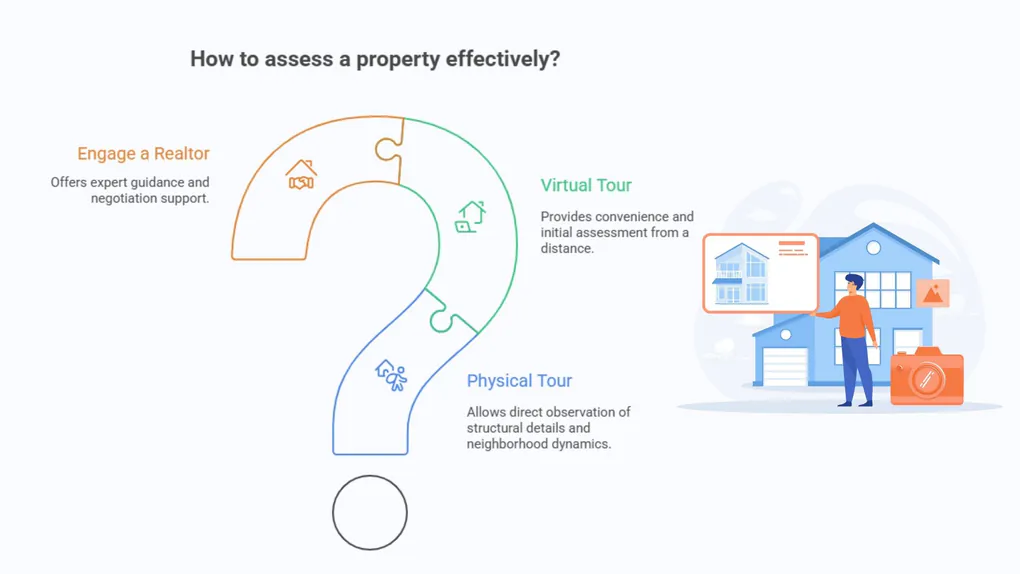
Yes, you can schedule a tour directly with a listing agent or through an online platform. However, be cautious. The listing agent represents the seller, not you. First-time buyers especially benefit from having their own buyer agent, who spots issues, negotiates on their behalf, and protects their interests.
Signs of Damage
While checking a house, focus first on finding harm indicators - particularly ones possibly causing high repair costs. Examine walls along with ceilings carefully, focusing on any visible splits. Tiny fractures typically aren't a concern; however, extended diagonal ones close to entryways might point to structural strain. Discoloration in ceiling edges or room corners can suggest previous - or ongoing - water intrusion. A damp odor? Rely on that clue since it frequently points toward excess humidity or concealed mildew.
A pair from Denver viewing an older house spotted a light brown mark on the ceiling. Though small, it caught their attention right away. The evaluator afterward said water had seeped through for weeks. That tiny sign led to needing a whole new roof - costing twelve grand. A lesson: even subtle details matter when checking homes.
Signs of Pests
Pest problems may ruin a perfect house. Termite damage costs more than $5 billion each year in America, the EPA reports.
On your walk-through, look for weak timber, walls that sound empty when tapped, little heaps of sawdust, or pin-sized openings near skirting boards. Signs like mouse feces, gnawed surfaces, or noises behind panels may point to infestation. While viewing online, request close-ups of shed edges, roof hatches, and garden barriers.
Malfunctioning Appliances
Devices might seem clean on the outside; however, always check how they work - focus goes beyond looks. Turn on the stove burners. Then check the fridge - open it, shut it. Do the same with the freezer. Try out the microwave to see if it works properly. Look closely at water heaters or HVAC units for any signs of rust. If repairs are needed, note that HomeAdvisor reports typical HVAC replacements range from $5,000 to $12,000 - this isn't a minor expense. Ignoring such issues could lead to bigger problems later.
Wise shoppers snap pictures of device tags - this helps verify production dates afterward. When gadgets exceed fifteen years, schedule upgrades.
Storage Space
First-time purchasers usually overlook how useful extra space can be. A place is needed - not just for holiday decorations or vacuum cleaners - but also for suitcases or things you’ll collect later on. Peek into the cupboard. Measure how deep the storage is. Glance at hidden spots in the garage. Wonder: does daily life fit here?
A young buyer in Austin picked up a stylish compact house - great look, few closets. Just months later, she needed extra space, costing $120 every month. Over time, that hits $1,440 per year. The oversight? Storage was ignored on the viewing day.
The Floorplan
A good layout focuses on movement - more than just space size.
Move around the house and picture your everyday life. If the kitchen seems small, how does it affect cooking? One bedroom’s distance from another - does it offer enough personal space? As for the seating area, can you arrange sofas without blocking paths?
Open-plan designs are still common; however, parents frequently opt for separate rooms. A lot of new homeowners wish they hadn’t picked houses that appear nice on screens yet feel off when visited.
The Location and Size of Each Room
Space dimensions count - yet design often counts more. Check main zones yourself or take measuring tools along to confirm pieces will fit. The listing says 1,800 sq ft; however, cramped or irregular rooms can make it seem far smaller.
Notice how sunlight behaves indoors. Rooms facing north usually feel dimmer and more subdued, whereas those looking south enjoy steady brightness all day.
The Exterior
The exterior of a house gives clues about its general state.
Examine the driveway for splits, damaged timber, flaking coating, or drooping downspouts. Inspect the rooftop outline for absent tiles or irregular areas. The National Roof Certification and Inspection Association states standard asphalt rooftops endure 15 to 20 years; therefore, find out their age.
If you’re setting up a virtual walkthrough, request detailed images of the exterior panels - also include basement walls along with outdoor space visuals.
Parking
Parking gets ignored - particularly by new buyers - yet affects everyday routines far more than expected. Are you able to fit your vehicle onsite? When it gets dark, do nearby streets run out of open spots? In colder regions, will you need to clear the driveway often during snowy months? Does the garage actually work - or is it packed with the owner’s belongings?
A person from Boston liked the house completely - yet found out only afterward that finding a spot nearby became tough each evening past six. Such ongoing hassle might have been skipped had they investigated local parking rules while viewing the place.
Structural Condition
Structural soundness is hard to judge on your own - yet signs may appear during a first walkthrough. While expertise helps, visible clues can hint at deeper issues when observed early.
Uneven flooring might point to shifts in the base structure. Sticking windows often suggest frame distortion. Misaligned doors usually reflect either structural settlement or dampness problems. Excessive noise when walking should catch your attention - while some sound is normal in aging houses, loud creaking may hint at deeper trouble.
The Minor Details
Small things can show if a house is cared for properly. Check how light switches appear, along with taps, door handles, air vents, or window edges. Each part gives clues about upkeep over time - some wear down faster than others. A closer look helps spot issues early instead of later.
Test tap flow along with shower strength. Run toilet flushes to see performance. Switch lighting fixtures back and forth. Doing these things shows how well the house has been maintained.
The Neighborhood
A nice home in an unsuitable area might not pay off - location matters more than appearance.
Explore the neighborhood at various hours - during dawn, midday, or after dark. Observe vehicle movement throughout the streets. See whether residents keep houses in good shape. Examine test results from educational institutions, safety records, also services close by.
Redfin notes that homes in walkable areas often gain value - up to 23% more than those in places needing cars. Because of this, location weighs heavily on price, matching the importance of the house structure.
What Is the 30/30/3 Rule for Home Buying?
This well-known money guideline supports new purchasers in steering clear of cash pressure - by offering a simple framework they can follow without stress Stick to a rule: no more than 30% of earnings should go toward your home loan - this helps avoid strain later on. A common target, yet still flexible depending on personal cash flow.
Save a sum equal to 30% of the housing cost - this covers 20% for the initial payment, while the extra 10% handles transfer fees and relocation expenses.
Avoid purchasing property costing over three times your yearly family earnings. A benchmark - though not fixed - helps purchasers avoid being "cost-burdened" by housing.
Conclusion
A house tour lets you see beyond furniture, design choices, or online images - focusing instead on structural state, daily comfort, because future worth. No matter if you walk through it yourself since use a digital preview, understanding key details prevents expensive issues while supporting smarter, clearer choices. Looking at wear, inspecting support, testing systems, reviewing layout, while also studying the area helps secure a smart buy. New owners gain most when taking time, focusing on small points, and applying practical rules such as the 30/30/3 method. Buying a smart house isn’t just like nice interiors - it’s grasping what lies within the structure, how it fits daily life, also its value over time.
FAQs:
1. What is the house tour method?
It’s a structured approach to evaluating a home room-by-room, checking for damage, functionality, layout, and overall condition before making an offer.
2. How do you do a home tour as a first-time buyer?
Bring a checklist, take pictures, test appliances, look for structural issues, and evaluate the neighborhood. Always schedule an inspection afterward.
3. Can I buy a home after a virtual tour?
Yes, many buyers do this thing, especially those relocating, but you should still get a professional inspection before closing.
4. What are the biggest mistakes first-time home buyers make?
Overlooking repairs, skipping neighborhood research, ignoring long-term costs, and choosing a home based only on aesthetics.
5. How long should a house tour take?
Most tours last 20–45 minutes, but first-time buyers should feel free to take longer, especially if evaluating multiple rooms and systems.